
Rising Star Winners
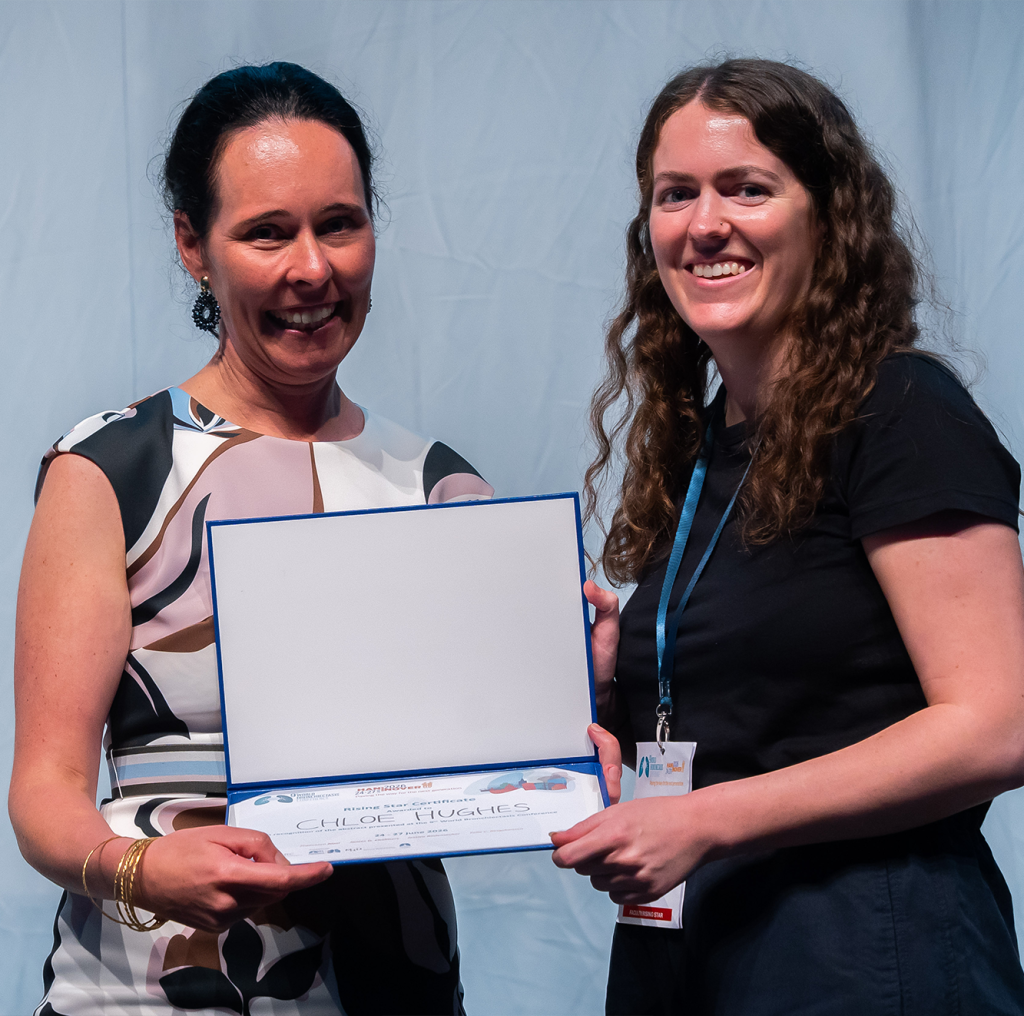
- Chloe Hughes
University of Dundee
SESSION X: RISING STARS SCIENCE SLAM – Friday 26 June 2026 11:35 – 11:48
Dr Chloe Hughes is a postdoctoral researcher at the University of Dundee, with a research focus on neutrophilic inflammation in respiratory disease. She completed her PhD investigating neutrophil-driven inflammatory responses in acute and chronic respiratory diseases, including COVID-19 and bronchiectasis, and their associations with cardiovascular disease.
Her current research focuses on bronchiectasis, investigating inflammatory mechanisms that contribute to disease pathology, with a particular interest in neutrophilic and systemic inflammation. This work includes investigating responses to therapeutic approaches, including dipeptidyl peptidase-1 (DPP-1) inhibition and macrolide therapies. Her research aims to improve understanding of immune dysregulation in chronic airway disease and identify biomarkers associated with disease progression and response to treatment.
Characterising systemic inflammation in patients with bronchiectasis: data from the EMBARC BRIDGE study
Dr Hughes will present findings from a multicentre observational study of 492 patients with bronchiectasis investigating systemic inflammation. Increased levels of neutrophil-associated and endothelial activation markers were associated with disease severity, lung function, and severe exacerbations. Neutrophil profiling identified altered circulating neutrophil phenotypes and functional responses compared with healthy controls. These findings highlight potential biomarkers of disease severity and provide insight into pathways that may be targeted therapeutically.
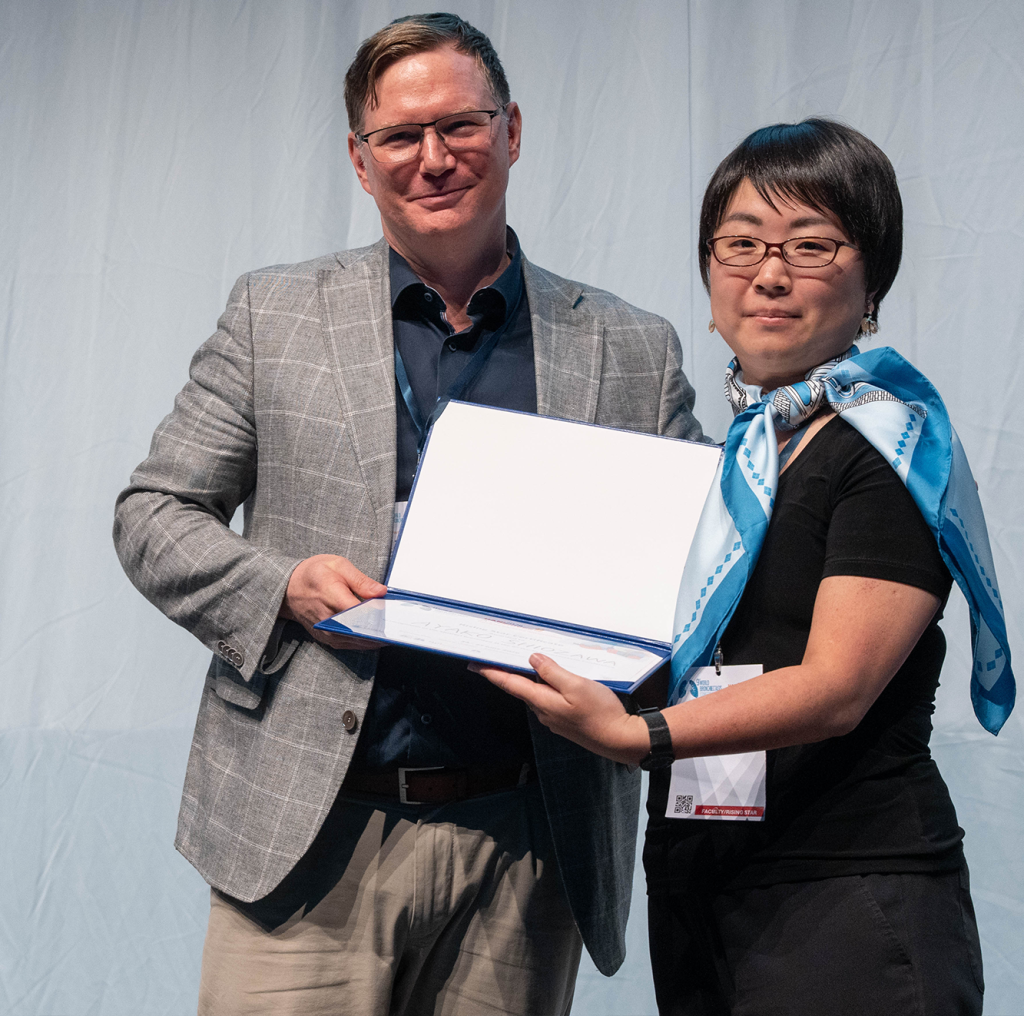
- Ayako Shiozawa
Marsico Lung Institute / Cystic Fibrosis Center University of North Carolina at Chapel Hill
SESSION X: RISING STARS SCIENCE SLAM – Friday 26 June 2026 12:01 – 12:14
Ayako Shiozawa, MD, PhD, is a physician-scientist and postdoctoral researcher at the Marsico Lung Institute, University of North Carolina at Chapel Hill. She is also a board-certified pulmonologist in Japan with clinical expertise in mycobacterial lung disease. Her research focuses on host–pathogen interactions in non-tuberculous mycobacterial infections, particularly early epithelial responses to Mycobacterium abscessus using human small airway epithelial models. Her work aims to elucidate mechanisms underlying early disease initiation and progression to bronchiectasis.
Early Mycobacterium abscessus Infection Drives Staged Epithelial Remodeling in Small Airways
Nontuberculous mycobacterial infections, particularly Mycobacterium abscessus, are increasingly linked to bronchiectasis, yet early epithelial responses remain poorly understood. Using a mucus-preserving, well-differentiated primary human small airway epithelial model at air–liquid interface under optimized culture conditions, we examined host responses to infection. We identified a staged epithelial remodeling response with preserved barrier function. These findings provide insight into early disease mechanisms and may inform strategies to prevent bronchiectasis progression.
Rising Star Candidates
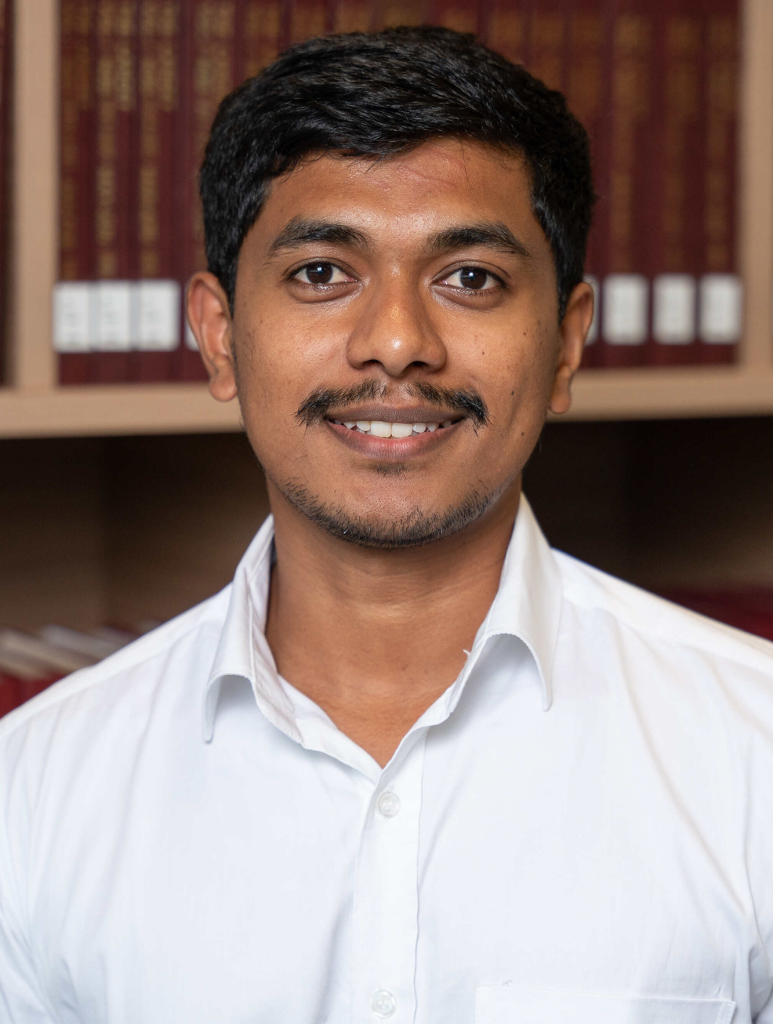
Jayanth Kumar Narayana
LKC School of Medicine, Nanyang Technological University
SESSION X: RISING STARS SCIENCE SLAM – Friday 26 June 2026 11:48 – 12:01
Dr. Jayanth Kumar Narayana is a mathematician by training who applies advanced mathematical modeling and data science to respiratory medicine. He is the Wong Peng Onn Postdoctoral Fellow at Lee Kong Chian School of Medicine, Nanyang Technological University, Singapore, where he completed his PhD in Precision Medicine and Mathematical Healthcare through the NTU-Exeter joint programme. Dr. Narayana specializes in bronchiectasis and the respiratory microbiome, integrating clinical cohorts with microbial genomics and statistical learning to understand how microbial communities drive disease progression and treatment response. His unique quantitative approach bridges mathematical theory and clinical translation, offering precision medicine insights for patients with chronic airway diseases.
Roles:
- (2025) Wong Peng Onn Postdoctoral Fellowship, LKC Medicine, Nanyang Technological University, Singapore.
- (2025) Steering Committee Member and Track Lead (AI and Digital Health), FUTURE Early Career Researcher Network, EMBARC.
Research Areas:
- Microbiome and multi-omic analysis
- Statistical learning and Artificial Intelligence
- Network analysis and bayesian inference
Optimizing Conditional Cell Reprogramming for Enhanced Diagnostics and Therapeutic Screening in Primary Ciliary Dyskinesia
Background: Primary ciliary dyskinesia (PCD) impairs mucociliary clearance. Culturing primary human nasal epithelial cells (hNEC) at the air-liquid-interface (ALI) is the standard model for diagnostics and functional characterization with common challenges of low cell yield and short lifespan of NEC.
Methods: We optimized a conditionally reprogrammed cell (CRC) system using patient-derived hNEC obtained from nasal brushings to significantly improve cell growth and longevity and assessed ciliary function in vitro using a multi-method approach.
Results: The CRC method achieved a >90% success rate, generated high cell counts that successfully differentiated into functional, ciliated layers. ALI cultures of hNEC accurately mirrored in vivo ciliary function and demonstrated distinct, genotype-specific responses to the drug clenbuterol.
Conclusion: This scalable platform serves as a highly robust tool for advanced PCD diagnostics, drug screening, and personalized medicine
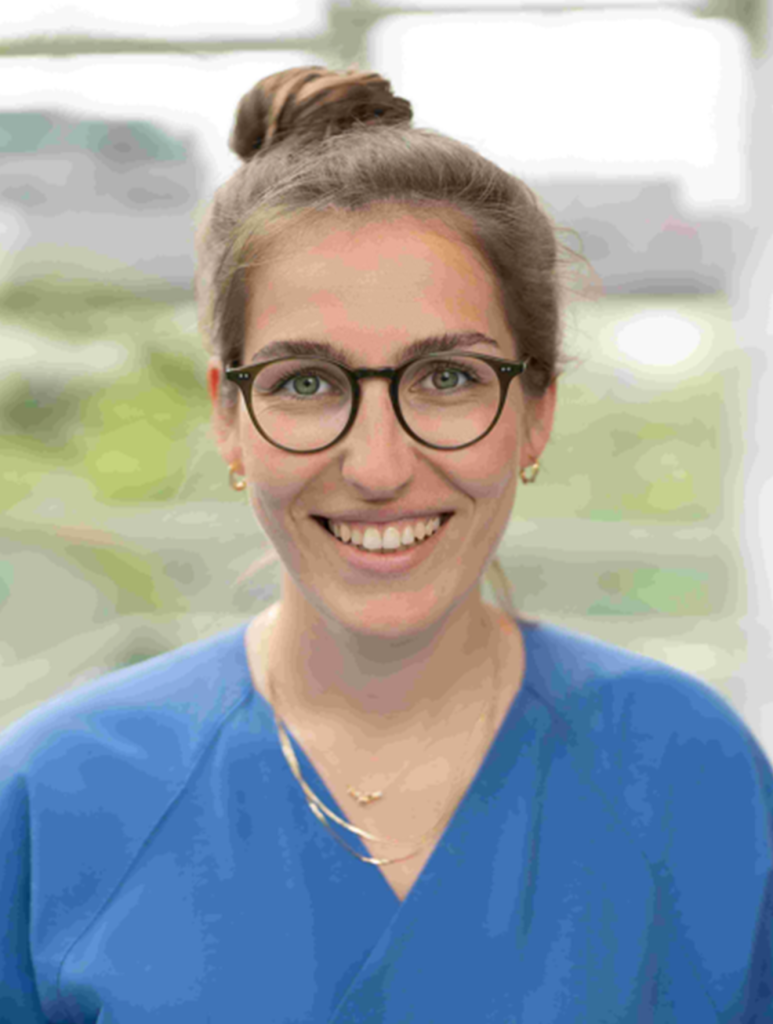
Ruth Maria Urbantat
Charité - Universitätsmedizin Berlin
SESSION X: RISING STARS SCIENCE SLAM – Friday 26 June 2026 12:14 – 12:27
Ruth Maria Urbantat, MD, is a Paediatric Resident and Clinician Scientist at Charité – Universitätsmedizin Berlin, specializing in the translational landscape of rare muco-obstructive lung diseases. Following her medical training at Charité – Universitätsmedizin Berlin and the Medical University of Vienna, she joined the research group of Prof. Dr. Marcus A. Mall. Her current research, supported by the Alliance4Rare fellowship, focuses on the functional and molecular characterization of Primary Ciliary Dyskinesia (PCD). Her work aims to leverage patient-derived air-liquid interface cultures to accelerate personalized diagnostics and therapeutic discovery for PCD and other muco-obstructive lung diseases.
Optimizing Conditional Cell Reprogramming for Enhanced Diagnostics and Therapeutic Screening in Primary Ciliary Dyskinesia
Background: Primary ciliary dyskinesia (PCD) impairs mucociliary clearance. Culturing primary human nasal epithelial cells (hNEC) at the air-liquid-interface (ALI) is the standard model for diagnostics and functional characterization with common challenges of low cell yield and short lifespan of NEC.
Methods: We optimized a conditionally reprogrammed cell (CRC) system using patient-derived hNEC obtained from nasal brushings to significantly improve cell growth and longevity and assessed ciliary function in vitro using a multi-method approach.
Results: The CRC method achieved a >90% success rate, generated high cell counts that successfully differentiated into functional, ciliated layers. ALI cultures of hNEC accurately mirrored in vivo ciliary function and demonstrated distinct, genotype-specific responses to the drug clenbuterol.
Conclusion: This scalable platform serves as a highly robust tool for advanced PCD diagnostics, drug screening, and personalized medicine